Home Tree Removal in Cutler Bay
Request an estimate today
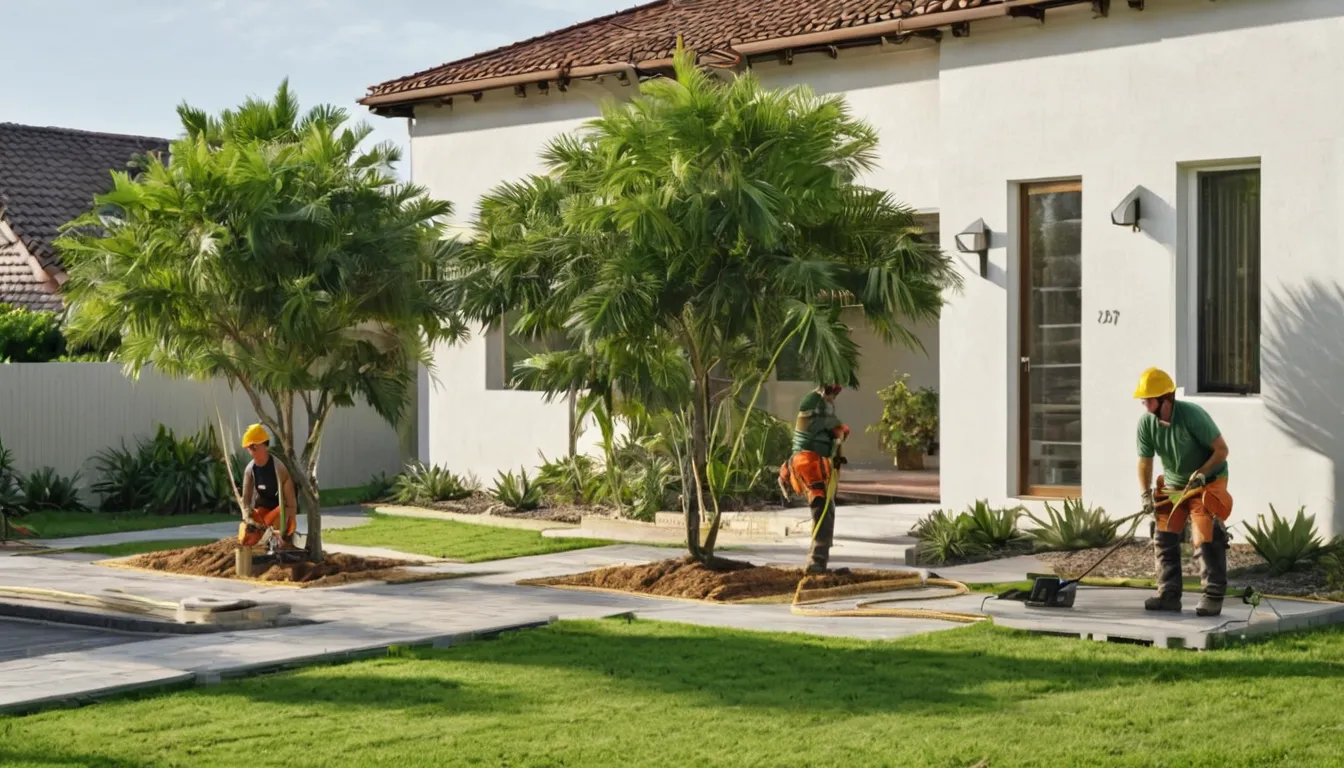
A tree can be a joy for years. Then a storm cracks a limb, roots lift a walkway, or branches lean over the roof. At that point, you need clear next steps.
Debthutch Tree Service is a referral service. We explain how removal works, what changes the price, and what to ask before you say yes. Then we connect you with an independent provider in our network. The provider does the work and gives you a quote in writing. You decide what happens next, with no obligation.
Start Here: Is This Tree a Problem Right Now?
Some trees need quick attention. Others can wait a few weeks while you compare options. Knowing which one you have helps you choose a calm next step.
A tree that is split, leaning hard, or resting on a roof, fence, or power line is urgent. Stay clear of it. Keep kids and pets away. If a line is down, treat it as live and contact your utility.
Signs the Tree Should Come Down Soon
- A new lean, or soil lifting near the base
- Large dead limbs over the house, drive, or play area
- Mushrooms or soft, crumbly wood near the trunk
- Deep cracks or a split where two trunks meet
- Roots pushing into a pool deck, slab edge, or pipes
If you see one of these, request an estimate. A provider can look at the tree and tell you what they see.
Common Reasons Homeowners Remove Trees
Storms are a big one. In a warm, humid region with frequent summer storms and a long hurricane season, trees take a beating. Wet soil and strong gusts can loosen roots fast.
Other reasons are quieter. A tree may be dying from disease or pests. It may be too close to a block home or a tile roof. Some people simply want more sun for a garden or space for a new patio.
Removal or Trimming: Which Fits?
Not every tree has to go. Trimming can fix a limb that rubs a roof. Thinning can let wind pass through a crown. Removal makes more sense when the trunk is damaged, the roots are failing, or the tree is dead.
Ask the provider to explain both paths. A good provider will tell you when trimming is enough.
How Tree Removal Works, Step by Step
Most jobs follow the same path. First, a provider looks at the tree, the space around it, and what sits underneath. Next, they give you a written quote. Once you agree, they set a date.
On the day, the crew sets up safety gear and marks a drop zone. Small trees may come down in one piece. Tall or crowded trees are often taken apart in sections, lowered with ropes. Then the wood is cut up and cleaned from the site.
Why Some Jobs Need a Crane or Climbing
Tight lots are common in older subdivisions. A tree beside a pool cage, a tile roof, or a shared wall can't just be felled. Providers may climb and cut it in pieces. For very large trees, they may bring in a crane. That adds to the price but can protect your property.
What Affects the Price
Price comes down to risk, size, and access. A short tree in an open yard costs far less than a tall one over a roof. Wet or soft ground, power lines, and fences can add time.
Haul-away and stump work are also factors. Ask if the quote includes cleanup and wood disposal. Compare quotes line by line, not just the total.
Why a Written Quote Matters
A quote in writing keeps everyone on the same page. It should list the trees, the work, the cleanup, and the total. It should also say who handles the debris.
Be careful with a price that is far below the others. It may leave out cleanup or skip proper insurance. Ask questions before you sign.
Permits and Local Rules
Rules differ by city, county, and even neighborhood. Some places protect large or older trees. Others have special rules near wetlands, canals, or shared lots. A homeowners association may also want to approve removal first.
Check with your local building or planning office before work starts. Many providers know the local process and can tell you what to expect.
Choosing a Provider You Feel Good About
Ask simple questions. Are they insured for the work? Will they give you a written quote? Can they explain how they plan to take the tree down?
Look for clear answers, not pressure. A good provider is happy to walk you through the plan. Providers in our network are independent, so each sets their own prices and schedule.
Insurance and Storm Damage
Some policies may cover sudden damage, such as a tree that falls on a house. Coverage varies, so check your policy. Providers can often help document damage for a claim with photos and notes.
Getting Ready for Removal Day
- Move cars, patio chairs, and toys out of the area
- Clear a path to the tree and to the street
- Tell neighbors about the noise
- Keep pets inside
- Mark sprinklers, lights, and buried lines
Stay inside or well back while the work is underway. Falling limbs can travel farther than you expect.
After the Tree Comes Down
Walk the yard with the provider. Check that the debris is gone and nothing was damaged. Ask what to do about the stump. You can leave it, grind it, or plant around it.
In a humid climate, bare ground can fill with weeds fast. Think about sod, mulch, or a new tree in a better spot.
Ready to Compare Your Options?
Tell us about your tree and your yard. We will connect you with a local provider so you can get a clear quote and plan.
What's Included
Tree Assessment
A provider looks at the trunk, roots, and surroundings, then explains whether removal or trimming fits your yard.
Safe Takedown
Trees are cut down whole or in sections, based on what sits nearby.
Debris Cleanup
Many quotes cover hauling away limbs, logs, and sawdust. Confirm this in writing before work starts.
Written Quote
You get a clear price and scope in writing, so you know the plan before work begins.
Typical Tree Removal Costs
Prices vary a lot by tree size, access, and risk. These are typical U.S. ranges only. Your local quote may be higher or lower, so always ask for a written quote.
| Job type | Typical range | Notes |
|---|---|---|
| Small tree (under 30 ft) | $150 – $500 | Open yard, easy access |
| Medium tree (30–60 ft) | $400 – $1,200 | Depends on lean and cleanup |
| Large tree (60+ ft) | $1,000 – $3,000 | Often needs climbing or a crane |
| Tree near house or lines | $800 – $3,500 | Extra care adds time and risk |
| Crane-assisted removal | $1,500 – $5,000 | Used where space is tight |
| Wood haul-away | $75 – $400 | Sometimes part of the quote |
How It Works
Tell Us About It
Share your tree, your yard, and what worries you most using the short request form.
Get Matched With a Provider
We connect you with an independent local provider from our network.
Review the Quote
The provider looks at the job and gives you a quote in writing.
Schedule the Work
Pick a date that suits you, then prepare the area for the crew.
Why Call Debthutch Tree Service
Options First
We explain removal, trimming, and timing before you commit to anything.
Independent Providers
You are connected with local providers who set their own prices and schedules.
Clear Steps
Know what happens next, from first look to final cleanup, with no surprises.
No Obligation
Request an estimate and decide on your own time.
Other Services
Need home tree removal in Cutler Bay?
Tell us about your tree and request an estimate. A local provider in the network will follow up with next steps and answer your questions.
Home Tree Removal FAQ
- How much does it cost to remove a tree from my yard?
- Most U.S. jobs run from about $150 for a small tree to $3,000 or more for a large one. Size, access, and nearby structures change the price. Ask for a written quote.
- Do I need a permit to remove a tree?
- It depends on where you live. Some cities protect large or older trees, and some neighborhoods have their own rules. Check with your local planning office or HOA before work begins.
- Will my homeowners insurance pay for tree removal?
- Some policies may cover sudden damage, like a tree that falls on your home. Coverage differs a lot, so check your policy. Providers can often help document damage for a claim.
We service you here
Get in touch
Tell us about your tree and request an estimate. A local provider in the network will follow up with next steps and answer your questions.
No obligation