Emergency Tree Removal in Cutler Bay
Request an estimate today
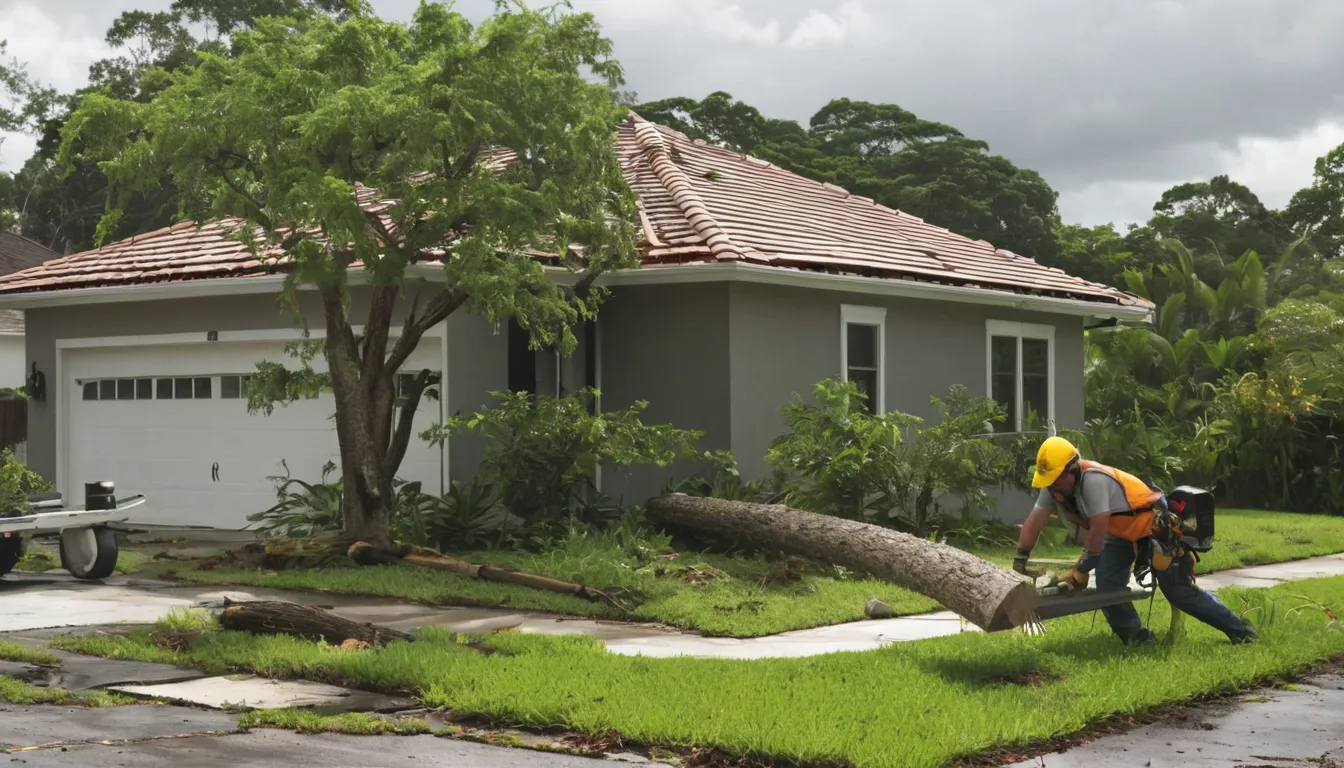
A tree that comes down in a storm can block a driveway, crush a fence, or rest on a roof. It is a stressful sight. Debthutch Tree Service is a referral service. It does not cut trees itself. It helps you understand your options, then connects you with independent local providers in its network who handle emergency tree removal and storm tree clearance.
Start by staying safe and keeping well clear of any downed lines. Then request an estimate. A provider can look at the job, explain the steps, and give you a quote in writing. Many providers can respond quickly after a storm, though availability varies. The goal here is options before action, so you know what to expect before any saw starts running.
Tree Down? Start With Safety
Take a breath. Look around before you step outside. A fallen tree is a problem, but your safety comes first. The tree can wait a few minutes.
Treat Every Wire as Live
If a branch or trunk touches a power line, stay far back. Do not touch the tree, a fence, or anything wet near it. Contact your utility and local emergency services. A tree provider cannot start until the utility says the area is clear.
Check People and Pets First
Make sure everyone is out of rooms under a damaged roof or ceiling. Keep kids and pets away from the yard. Leaning trees and hanging limbs can drop without warning, especially in wind or after soaking rain.
What Counts as an Urgent Tree Problem
Not every downed limb is an emergency. These situations usually are:
- A tree or large limb resting on your house, garage, or carport
- A trunk blocking your driveway or the only way out
- A tree leaning hard after wind, with soil heaving at the roots
- Cracked or hanging limbs over a play area, car, or entry door
- Any tree touching or tangled in utility lines
Problems That Can Often Wait a Little
A branch lying in the grass is usually less pressing. So is a fallen tree at the back of the yard that blocks nothing. These jobs still need to be done, but you have time to compare quotes.
Your Options for Emergency Tree Removal
You do not have to choose blindly. Most storm jobs fall into one of three paths:
- Make it safe: the provider removes the part that threatens your home and leaves the rest for later.
- Clear access: the provider cuts a path through the driveway or yard so you can move around.
- Full removal: the whole tree is cut down and hauled away, with cleanup.
Ask which path fits your situation. A good provider will explain why.
How Storm Tree Clearance Works
The steps are simple. Knowing them helps you feel in control.
Step One: A Look at the Site
The provider checks the tree, the ground, and what it touches. They look for lines, fences, pools, and roof damage. This is also when they spot hazards you may have missed.
Step Two: A Plan and a Quote in Writing
You should hear what will be cut, how it will be lowered, and what is left behind. Ask for the quote in writing. It should list cleanup and hauling, so nothing surprises you later.
Step Three: The Cutting
A tree falling service often means sections are roped down in pieces, not dropped whole. Tile and shingle roofs are easy to crack, so careful lowering matters. Some jobs on block homes need a crane.
Why Prices Jump After a Storm
Demand rises when many neighbors need help at once. Danger adds cost too. A tree on a roof takes more skill, more gear, and more time than one lying in an open yard. Compare at least two written quotes when you can.
Watch for Door-to-Door Offers
After big storms, strangers sometimes knock and ask for payment up front. Be careful. Ask for a written quote and proof of insurance before you agree to anything.
Working With Your Insurance
Some policies may cover sudden storm damage, and many cover trees that fall on a home. Rules differ, so check your policy or ask your agent. Providers can often help document damage for a claim.
Take Photos Before Anything Moves
Snap pictures of the tree, the damage, and the yard from several angles. Save every invoice. These records make a claim much easier to explain.
After a Big Storm: What to Expect
In a humid, stormy region, one strong system can bring down trees all over a neighborhood. Providers get busy. You may wait a bit, even if you have a good plan. Many providers can respond quickly, but availability varies. A tarp or a temporary fix for the roof may come first, and the tree work after that.
Stump Questions Come Later
Once the tree is gone, a stump may remain. Stump grinding is a separate step. You can ask about it now or after the emergency passes.
Preventing the Next Storm Problem
No tree is storm proof, but you can lower the risk. Have trees checked before hurricane season starts in June. Trim dead limbs. Watch for fungus, cracks, and leaning trunks. Soft, wet soil after heavy rain can loosen roots, so keep an eye on tall trees near your roof.
Questions to Ask the Provider
A few good questions can save you stress:
- Can I see proof of insurance?
- Does the quote include cleanup and hauling?
- How will you protect my roof, fence, and yard?
- What is the plan if more damage shows up once the cutting starts?
- What can wait, and what should be done first?
Ready for the Next Step?
You have options. Request an estimate and let a local provider walk you through the job. There is no obligation to go ahead.
What's Included
Fallen Tree Removal
Providers cut and haul away trees that came down in wind, rain, or storms.
Storm Tree Clearance
Open a blocked driveway, road access, or yard path so your family can move safely again.
Trees on Structures
Careful sectional cutting to lift limbs and trunks off roofs, fences, and sheds with less added damage.
Cleanup
Brush, logs, and debris hauled off once the cutting is done.
What Storm Tree Work Often Costs
Prices vary a lot by tree size, access, and risk. These are typical U.S. ranges only. Always ask for a quote in writing before work begins.
| Job type | Typical range | Notes |
|---|---|---|
| Small fallen limb cleanup | $150 – $500 | Open yard, easy access |
| Medium downed tree, cut and hauled | $500 – $1,500 | Depends on trunk size and distance |
| Large tree removal | $1,500 – $3,500 | Height and nearby structures add cost |
| Tree on a roof or house | $2,000 – $10,000 | Often needs rigging or a crane |
| Crane add-on | $500 – $2,000 | Used when ground access is limited |
| Stump grinding add-on | $100 – $500 | Often priced per stump by diameter |
How It Works
Stay Safe First
Keep clear of the tree and any lines, and contact your utility if wires are involved.
Request an Estimate
Tell us what happened using the form and share a few photos.
Review the Quote
A local provider explains the plan and gives a written quote.
Schedule the Work
Pick a time with the provider, based on their availability.
Why Call Debthutch Tree Service
Options Before Action
You learn the choices and likely next steps before you agree to any work.
Local Providers
Independent providers in our network know local storms and homes.
Quote in Writing
Ask for a written quote so scope and price are clear.
No Pressure
Request an estimate with no obligation, then decide at your pace.
Other Services
Need emergency tree removal in Cutler Bay?
Tell us about your tree and request an estimate. A local provider in the network will follow up with next steps and answer your questions.
Emergency Tree Removal FAQ
- What should I do first when a tree falls on my house?
- Get everyone out of any unsafe rooms and stay clear of power lines. Contact your utility and emergency services if needed. Take photos, then request an estimate from a local provider.
- Does homeowners insurance cover emergency tree removal?
- Some policies may cover sudden storm damage, especially when a tree hits your home. Coverage differs by policy, so check yours or ask your agent. Providers can often help document damage for a claim.
- How much does emergency tree removal cost?
- Typical U.S. prices run from a few hundred dollars for small jobs to several thousand when a tree is on a roof or needs a crane. Costs vary by job, so get a quote in writing.
We service you here
Get in touch
Tell us about your tree and request an estimate. A local provider in the network will follow up with next steps and answer your questions.
No obligation